Synthetic Alcohol: What’s the Buzz About?
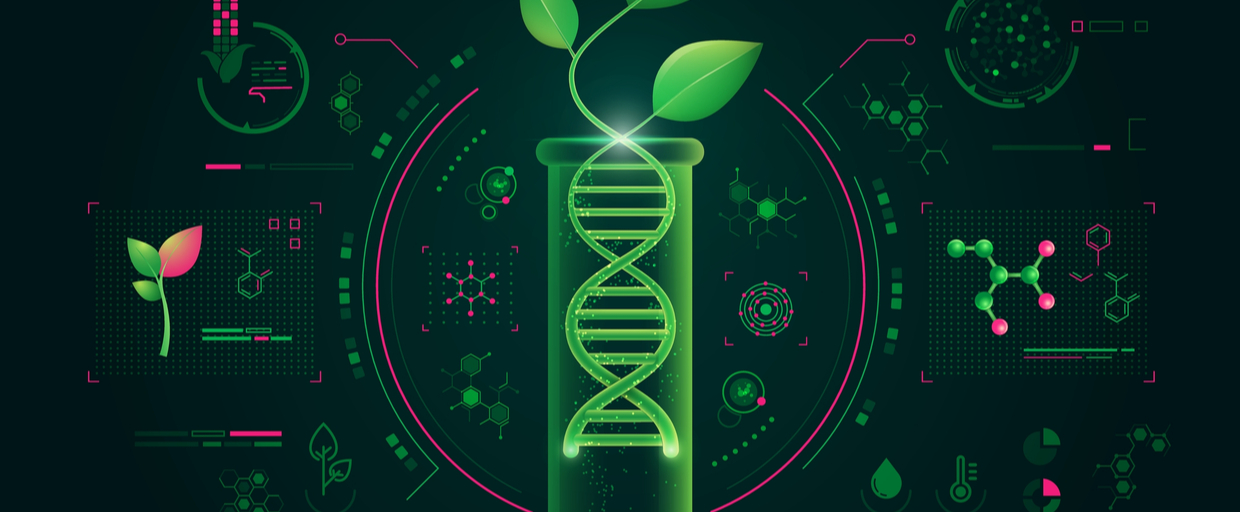
A laboratory is not most people’s idea of a party, but several scientists have been using them lately to try to bring about a festive feeling.
Synthetic alcohol has been an intense object of interest across the liquor industry in recent months. And while the product promises all the potential of a good time, several questions remain. Namely, what’s the true cost of that fun?
Drinking Without Consequence?
 Synthetic alcohol may be a new innovation, but it strives to fulfill an age-old wish: Having all the benefits of alcohol with none of the drawbacks.
Alcohol is extremely toxic, inflicting damage on every part of the body it touches — from the brain to the liver to the lungs. The goal of synthetic alcohol is to instead work with the body, promoting that buzzy feeling from several healthier internal mechanisms.
And some manufacturers have already cracked the code. They’ve come up with botanical cocktails they claim mimic the warm, fuzzy feeling of a glass of wine without any bodily dangers.
The Nervous System, the Brain, and Botanics
Among the ingredients that make this possible are a variety of plants and herbs known as nervines. Acting specifically on the nervous system, this class of plant can help bring about the feeling of bodily relaxation associated with alcohol. Nootropics — a group of plant-based compounds that stimulate brain function — are also often in the mix.
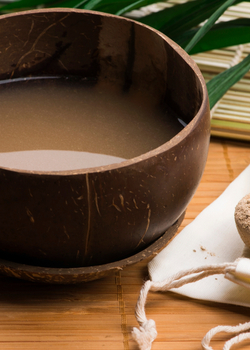
Perhaps the best natural alcohol imitators, however, are a collection of mild psychedelics. Plants such as the kava plant work to stimulate certain types of brainwaves.
Compounds in these plants activate something called aminobutyric acid, also known as GABA. This neurotransmitter promotes calming activity in the brain. It’s the same effect achieved by having a mixed drink or beer. After all, a big reason people drink alcohol is to loosen up. (However, the reason alcohol can making people stumble is related to too much of this brain activity.)
Working with already-approved foodstuffs, several brands are already putting these types of botanically-boosted products on the market.
Still, none of them quite reach the holy grail of including a truly non-alcoholic alcohol.
Call 888-647-0051 Toll Free. Privacy Guaranteed. No Commitment.
Addiction help is standing by 24 hours a day, 7 days a week.GABA and Alcosynth
Creating such a fantasy product has primarily been the mission of a company appropriately called GABA Labs.
Spearheaded by the outspoken scientist David Nutt, who once famously argued that alcohol was more dangerous to society than crack or heroin, the company is working on a drink called Alcarelle. The drink is powered by an entirely manmade compound called alcosynth.
As its name may suggest, alcosynth is a synthetic alcohol molecule that’s supposed to create that buzzy feeling without any of the unwanted aftereffects. And its creators are already touting its potential benefits.
The product would primarily work by stimulating GABA activity while leaving other bodily systems mostly untouched. This would spare other areas of the body — say the liver — from taking on the kind of damage usually inflicted by alcohol, which leads to a host of physical ailments.
Could Synthetic Alcohol Be … Safer?
In the United States alone, an estimated 95,000 deaths were attributed to alcohol in 2020, including an estimated 22% of deaths related to opioid overdose and 28 percent of all driving fatalities. Globally, the substance was involved in around 3 million deaths — or 5.3 percent of deaths worldwide — in 2016, either directly or through the more than 200 health conditions it’s connected to.
And that’s to say nothing of alcohol’s addictive properties. As of 2019, more than 14.5 million people in the United States struggled with alcohol use disorder (AUD). That includes 414,000 adolescents aged 12-17, according to the National Institutes of Health.
Yet, despite all its drawbacks, there’s a reason for alcohol’s enduring popularity. The elixir has been used by humans for millennia. It’s been a source of shared experience, to mark occasions of celebration, to embody ideas of class and wealth, and to provide a source of social lubrication, among other traditions.
Nutt, and other synthetic alcohol enthusiasts, say alcosynth and other products like it could help preserve all those advantages while leaving the headaches, hangovers, and health problems of alcohol behind.
Yet, not every expert agrees with that rosy outlook.
The Criticisms of Synthetic Alcohol
Lacking any specifics on how the synthetic molecule would work, several experts simply point to the old axiom, “Anything that seems too good to be true usually is.”
With that as a basis, some scientists and addiction specialists have openly worried that alcosynth and other synthetic alcohols could have unforeseen effects on the body and brain — much in the same way heroin did when it was invented to wean people off morphine, or e-cigarettes were found to, after being touted as a safe replacement for regular cigarettes.
Tempting for Those in Recovery
Some worried about the potential impact the product could have on people in recovery, possibly tempting them to start using again. Others questioned whether something that alters someone’s mental state — no matter how mildly — could truly be non-habit forming. That concern goes doubly so for a product claiming to foster feelings of euphoria and relaxation.
Tempting for Underage Drinkers
And more practical-minded experts mentioned the potential complications of marketing such a product, particularly to younger customers. It would be difficult to promote something that generates a hangover-less buzz without piquing the interest of would-be underage drinkers, they argue. Some pointed to the already ensuing epidemic of teenagers smoking e-cigarettes as an example.
For his part, Nutt has said he’s working to create a delicate balance in his product. He’s hoping to induce specific levels of GABA — just enough to feel a buzz, not so much to feel out of control, and through compounds that would only impact the body for a short period.
Yet, without clinical trials, none of these ideas can be confirmed for sure. It will likely still be some time before those types of tests are conducted.
In the meantime, scientists may speculate, but it’s simply too early to tell what type of effect synthetic alcohol could have, one way or the other.
Party Time?
 Regardless, it seems the march to create the perfect non-alcoholic alcohol molecule is on.
Interest in the non-alcoholic market is already on the rise, with a 300 percent increase in non-alcoholic spirits sales between 2016 and 2020. And the seismic shifts in the social landscape caused by the pandemic —including upticks in both regular alcohol consumption and cases of depression — could make a less-harmful version of the social lubricant more appealing.
Synthetic alcohol may eventually help curb some of the problems related to drinking. But it’s important to remember that the regular alcohol currently on the market is still linked to addiction and several other harmful outcomes.
If you or someone you love is experiencing a substance use disorder, help is available. Call 888-647-0051 (Who Answers?) today to speak with a treatment specialist.
Photos courtesy of Shutterstock.
 How many times have you looked at your phone today? How many hours this week have you spent looking at one screen or another?
If you’re anything like the average American, you check your phone 96 times a day. You’ll also spend more than 120 hours this week glued to screens such as televisions, laptops, and phones.
That might be okay. Or, you might be at risk of screen-based addiction.
According to today’s experts, we’re all at risk.
“It’s not just young males playing video games,” warns Mari Swingle, PhD, LMHC, co-director of the Swingle Clinic in Vancouver, British Columbia, Canada. She is also the author of i-Minds: How and Why Constant Connectivity is Changing Our Brains and What to Do About It.
“When this first started to creep out, we had no idea what we were dealing with,” Swingle admits. “In terms of profiling, we got it all wrong.”
Swingle points out that the original stereotypes broke down when fantasy games hit the digital scene. Females were added to the at-risk group – even older, mature ones. Swingle started looking at different niche profiles.
She also began expanding the concept of screen-based addiction to a wider population. Now, two decades, later, Swingle says, “It’s everywhere, and everyone is at risk.”
Call 888-647-0051 Toll Free. Privacy Guaranteed. No Commitment.
Addiction help is standing by 24 hours a day, 7 days a week.What’s Going On?
 Several factors make this addiction uniquely challenging.
- It’s “normal”: The addiction is based on tools everyone uses to function in day-to-day life.
- It’s approved: Swingle points out, “It has even been condoned, with people believing that more time on screens means you’re being more productive and that’s positive.”
- It’s gray: With other addictions, it’s clearer when there’s a problem. “There are real negatives,” says Swingle. “Whether you’re talking about cocaine, heroin, alcohol. There are certain lines people cross, and it’s black and white.”
But we’ve started to figure out what crosses the line from tech-savvy and tech-reliant to screen-based addiction.
And we’ve discovered it can be just as damaging as other addictions.
How Does Screen-Based Addiction Work?
“It treats the brain just like gambling,” explains Swingle. “Everything we do on the screens is on a varied reinforcement schedule. It hijacks or piggybacks on our biology.”
“That’s why it tends to turn bad. With regards to the brain science…we are wired to respond to atypical sounds, sights and smells. The ‘dings’ of our equipment hijack that.”
“With regard to brain science…we are wired to respond to atypical sounds, sights and smells. The ‘dings’ of our equipment hijack that.”
~ Mari Swingle, PhD.
Other researchers have confirmed that screen technologies affect the brain. And not in a good way. Imaging research has shown that screen technologies affect the brain’s frontal cortex in the same way as cocaine.
Other reports indicate that a lot of screen time can restructure brain matter. It actually weakens the processing areas. It can damage cognitive and emotional brain centers.
Research specifically focused on video games revealed that playing video games causes a release of dopamine. Dopamine is a chemical that the brain releases that contributes to feelings of pleasure. It’s part of our natural reward system and helps regulate learning and emotional responses.
Dopamine is also a factor in addiction. The chemical releases that occur while playing video games cause brain changes that result in urges and cravings similar to…can you guess? Yep – drug cravings.
The chemical releases that occur while playing video games cause brain changes that result in urges and cravings similar to drug cravings.
We also know that too much screen time can affect sleep, social skills, and emotional development. And if we’re on technology more than we should be, we can suffer from dry eyes, sore necks, migraines, and light sensitivity.
Reports confirm that these risks apply to adults just as much as kids.
It’s Not Going Away
The technology that many are addicted to is an integral part of our society. So, our struggle with screen-based addiction isn’t going anywhere. In fact, in 2018, “gaming addiction” was reclassified from health risk to an official mental health disorder by the World Health Organization.
And Internet Addiction, also referred to as Compulsive Internet Use, is not currently recognized in the Diagnostic and Statistical Manual of Mental Disorders (DSM V).
But ongoing research may change that in the future. As of now, this disorder affects up to 8.2 percent of the population. Some reports suggest that number is far too low and claim it actually affects more than a third of the population.
Compulsive Internet Use affects up to 8.2 percent of the population.
It seems the problem is here to stay. We’re going to need solutions.
Dr. Nicholas Kardaras, author of Glow Kids: How Screen Addiction Is Hijacking Our Kids, says, “I’ve worked with hundreds of heroin addicts and crystal meth addicts, and what I can say is that it’s easier to treat a heroin addict than a true screen addict.”
Swingle notes, “If we use [technology] as the magnificent tool it was designed to be, we shouldn’t have any issues. The problem is we’re not, and it’s invading everywhere. It’s affecting all of our arousal cycles, and that’s why it has become an issue.”
Call 888-647-0051 Toll Free. Privacy Guaranteed. No Commitment.
Addiction help is standing by 24 hours a day, 7 days a week.How to Prevent Screen-Based Addiction
 For those not yet suffering from full-on screen-based addiction, Kardaras recommends taking steps to keep this addiction at bay:
- Enjoy tech-free dinners
- Schedule no-tech periods throughout your day
- Keep phones away from nightstands
- Increase non-screen activities such as sports and recreation
- Increase face-to-face time with loved ones
For information about treatment options for you or a loved one, call 888-647-0051 (Who Answers?) today.
Images Courtesy of Canva.
 Sleep. Eat. Work. Eat. Sleep. What’s your cycle look like? Is your internal clock healthy?
Researchers are looking into new eating disorder treatments based on an important issue: sleep.
On the surface, these two issues may not seem related. But previous research has shown a strong relationship between sleep disruptions and eating disorders.
Let’s start with a quick biology lesson to explain the how and why behind this connection between sleep and eating disorders.
Call 888-647-0051 Toll Free. Privacy Guaranteed. No Commitment.
Addiction help is standing by 24 hours a day, 7 days a week.Catching the Rhythm
 Your circadian rhythm is a 24-hour rhythm that is controlled by your internal “master clock.” This clock (the suprachiasmatic nucleus, or SCN) is located in your brain. It regulates your sleep-wake cycle, body core temperature, and certain hormone releases. The SCN keeps your systems in rhythm with the outside world.
But there are things that can affect this rhythm. Food intake is one of them. Researchers have found that eating is one of the most important cues to this system.
In fact, “misalignment of food intake leads to chronodisruption” (that’s a malfunction of your biological clock, the SCN).
This disruption is associated with obesity and eating disorders.
The Rhythm of Eating Disorders
Studies have repeatedly confirmed a close relationship between sleeping and eating. One research review confirmed there is a high prevalence of circadian disruptions in eating disorders. Other findings confirmed that circadian rhythms are disturbed in patients with eating disorders.
Still other studies have shown that patients with binge eating disorder showed poor sleep quality and shortened sleep. And meta-analyses have suggested that “obesity is associated with sleep disturbances including insomnia symptoms and short sleep duration.”
What’s going on? Researchers have noted that alterations in circadian rhythm may be associated with a disruption in the feeding-fasting cycle. They say it’s possible that sleep deprivation could be associated with changes in feeding hormones, which can lead to greater food consumption and weight gain.
Researchers say it’s possible that sleep deprivation could be associated with changes in feeding hormones, which can lead to greater food consumption and weight gain.
Can This Lead to New Eating Disorder Treatments?
Armed with this information, researchers are turning toward treatment. They’re asking how this knowledge can be used to create new eating disorder treatments.
An estimated 30 million people in the United States have struggled with an eating disorder at some point in their lives. And 10,200 people in the US die each year as the result of an eating disorder. So, we’re in desperate need of effective treatment.
Is the connection between sleeping and eating the key?
Further study is needed. But bright light therapy has been found to reduce bulimic eating behaviors. Researchers are hopeful that these types of “chronotherapeutic interventions” may be effective new eating disorder treatments since they adjust circadian systems that are off-rhythm.
These types of “chronotherapeutic interventions” may be effective new eating disorder treatments since they adjust circadian systems that are off-rhythm.
Researchers at the University of Cincinnati are conducting the most recent of these studies. They are looking at the effect of readjusting the circadian system in people with binge eating behavior.
Binge eating disorder is the most common eating disorder. It affects about 2.8 million people in the U.S.
Francisco Roma-Nava, MD, PhD, UC Health physician, noted that “other recent studies have suggested that the circadian system could be involved with regulating food choices, as well as when and how much people eat. The involvement of the circadian system in disordered eating behavior, however, is less clear.”
“Ultimately,” Roma-Nava explained, “we want to advance our understanding of the role of the circadian system in binge eating disorder, and this study will provide valuable insight on its potential as a new therapeutic target.”
The researchers are excited about the positive impact their findings could have on new eating disorder treatments for patients in the future.
Call 888-647-0051 Toll Free. Privacy Guaranteed. No Commitment.
Addiction help is standing by 24 hours a day, 7 days a week.The Need for More Studies on New Eating Disorder Treatments
 In a recent issue of Alpha Psychiatry, experts call for more focus on this area of research and treatment:
“There is a need to increase the use of circadian rhythm-oriented interventions and treatments…Chronotherapeutic approaches can provide an easy-to-use, inexpensive, tolerable treatment opportunity for people with eating disorder symptoms.
“Mistimed feeding and disordered eating attitudes are associated with metabolic disorders and obesity, which may suggest that chronotherapeutic approaches are a promising area.”
All this to say, sleep—and a healthy internal clock—may be the missing link in new eating disorder treatments.
For information about treatment options for you or a loved one, call 888-647-0051 (Who Answers?) today.
Images Courtesy of Canva.
 Addiction and mental health disorders, like mixed anxiety-depressive disorder, often co-occur. Approximately 20 percent of Americans with these mental health disorders also struggle with substance use disorder, compared to around 2 percent of the general population.
There are a number of factors that contribute to this increased risk of comorbid substance use disorders and mixed anxiety-depressive disorder.
Call 888-647-0051 Toll Free. Privacy Guaranteed. No Commitment.
Addiction help is standing by 24 hours a day, 7 days a week.What is Anxiety-Depressive Disorder?
 Mixed anxiety and depressive disorder (MADD) is usually characterized by symptoms of anxiety and depression of equal intensity. According to experts, the symptoms alone do not meet the requirements for a singular diagnosis of either an anxiety disorder or a depressive disorder.
The World Health Organization (WHO) advises that a person can struggle with anxiety depressive disorder but they could actually be experiencing anxiety and depression. It’s important to speak to a medical specialist who can advise which of these diagnoses is more applicable in your case.
Mixed anxiety- depressive disorder can be quite disruptive, impairing a person’s day-to-day life.
In addition to a reduction in quality of life, a doctor will look for other specific criteria to make a diagnosis, including:
- Significant changes to mood (sadness, anxiety, or irritability) for four weeks or longer
- Difficulty concentrating, insomnia, feeling tearful and hopeless, and lacking energy
- Social impairment, meaning that you may want to withdraw from socializing
The doctor may also check that symptoms are not a side effect of medication before making a diagnosis and going on to advise you about treatment options.
What Causes Mixed Anxiety-Depressive Disorders?
Experts say that there are a number of risk factors for MADD that are genetic, environmental, and trauma-related.
The risk factors for mixed anxiety-depressive disorders are genetic, environmental, and trauma-related.
Specifically, these risk factors may include:
- Significant stress
- Chronic illness
- A lack of social support
- Money worries
- Gender (women are more likely to develop MADD than men)
- Childhood trauma
- A family history of mental health disorders, including addiction
What is Substance Use Disorder?
Substance use disorder (SUD) is a mental health disorder that affects a person’s ability to control their substance use, despite the negative consequences. There are various levels of SUD, from mild to moderate and severe.
Substance use disorder (SUD) is a mental health disorder that affects a person’s ability to control their substance use, despite the negative consequences.
The symptoms of SUD include:
- Excessive alcohol or drug use
- Social isolation
- Preferring drinking or using to the activities you used to enjoy
- Difficulty stopping substance use
- Changes to physical appearance, such as weight loss/gain, and poor personal hygiene
- Continuing to use/drink despite missing school or work, or familial obligations
- Thinking that you don’t have a problem
- Legal and financial issues
Why Do Mixed Anxiety-Depressive Disorders Co-occur with Addiction?
According to the National Institute on Mental Health, half of individuals with addiction also experience co-occurring disorders, such as:
- Anxiety disorders
- Depression
- Attention deficit hyperactivity disorder (ADHD)
- Bipolar disorders
- Personality disorders
- Schizophrenia
Common co-occurring disorders with SUD include anxiety, depression, ADHD, bipolar, personality disorders, and schizophrenia.
In adolescents, this rate is higher, with 60 percent of teens in community-based treatment programs for addiction also meeting the diagnostic criteria to another mental illness.
What Are the Risk Factors for Anxiety-Depressive Disorder and Addiction?
The risk factors for SUD and co-occurring disorders are:
Genetics
Having a family member with a mental health disorder and/or addiction increases the risk of their child developing these conditions.
Having a Mental Health Disorder
This increases the risk of self-medication with substances and potentially the development of addiction.
Addiction
A substance use disorder can lead to the development of mental health disorders, such as mixed anxiety-depressive disorder.
A substance use disorder can lead to the development of mental health disorders, such as mixed anxiety-depressive disorder.
Drug Use and Mental Health Disorders
These issues, both in childhood and adolescence, can increase the risk of developing co-occurring conditions in adulthood.
Untreated ADHD
Having this issue in childhood can lead to increased risk of addiction.
Trauma
Childhood trauma is a significant risk factor for developing mental health problems and addiction. Traumas in adults such as sexual assault, enduring combat, pandemics and natural disasters, are also a risk factor for developing co-morbidities.
Call 888-647-0051 Toll Free. Privacy Guaranteed. No Commitment.
Addiction help is standing by 24 hours a day, 7 days a week.How Co-occurring Addiction and Anxiety-Depressive Disorders are Treated
 When getting help for co-occurring disorders, your doctor will make individual recommendations based on your specific needs. Typically, it is best to treat both disorders simultaneously to ensure that both conditions are effectively managed. In a general sense, these treatments may include:
- Behavioral therapies, like Cognitive-Behavioral Therapy (CBT), Dialectical Behavioral Therapy (DBT) which work to tackle symptoms of anxiety and depression.
- Other behavioral interventions include:
- Contingency Management: Encourages healthy behaviors and provides a reward for practicing those behaviors, such as staying sober, attending a meeting, improving health outcomes.
- Therapeutic Communities: A type of long-term residential treatment that promotes healthy behaviors.
- Assertive Community Treatment: a type of community-based mental health support.
- Behavioral treatments for children and adolescents include:
- Brief Strategic Family Therapy: works with the family to help improve familial interactions that may lead to and support drug use and mental health disorders.
- Multisystemic Therapy: works with youth and family members to decrease the frequency and intensity of high-risk behaviors.
- Multidimensional Family Therapy: involves working with the whole family and the behaviors associated with mental health problems and addiction.
- Medication: This may include medication-assisted treatment for addiction and medications to treat anxiety and depression.
- Addiction treatment: This can occur at a facility that has the expertise of treating co-occurring disorders, like addiction and mixed anxiety-depressive disorder.
Behavioral therapies, medication, and addiction treatment can all help treat co-occurring addiction and anxiety-depressive disorders.
Ready to talk to a treatment specialist? Contact us today at 888-647-0051 (Who Answers?) to learn about our flexible treatment programs for drug and alcohol addiction.

Dopamine is the brain’s pleasure chemical. Addiction, in general, typically has one thing in common. It involved a substance or action that initially created a shortcut to dopamine.
Over time, we felt that specific action or substance was necessary to feel good. This caused an addiction to a substance or specific behavior—not an addiction to dopamine itself.
Many people in recovery (especially early recovery) transfer this dopamine-seeking aspect of drug or behavioral addiction towards other activities—some healthy, some not healthy.
Bottom line: Too much (or too little) of this feel-good chemical can have a major impact on your overall well-being.
Call 888-647-0051 Toll Free. Privacy Guaranteed. No Commitment.
Addiction help is standing by 24 hours a day, 7 days a week.What is Dopamine?
 Dopamine is part of a class of brain chemicals called neurotransmitters. Neurotransmitters send signals around the brain, and each neurotransmitter has a different function.
You may have heard of serotonin—another pleasure neurotransmitter—which is often depleted in those struggling with depression. Other feel-good chemicals include oxytocin (released through touch, the feeling of love, and yoga) and endorphins (released through exercise).
When we experience a feel-good sensation, the brain releases dopamine as a result of the experience. Dopamine also helps with motivation and mood memory, as well as managing stress, anxiety, and depression.
A lack of dopamine can result in depression and insomnia.
Which Activities Release Dopamine?
There are a whole host of activities that produce dopamine, including:
- Having sex
- Getting likes on social media
- Exercising
- Drugs and alcohol
- Meditating
- Eating a delicious meal
- Caffeine
Can You Become Addicted to Dopamine?
Anything that activates the brain’s reward system has the potential to cause a person to seek that behavior, particularly if they are deficient in that particular neurotransmitter.
Let’s say a person in recovery finds themselves spending all day overeating, scrolling through social media, drinking highly caffeinated drinks, and running. The person may be chasing the dopamine levels associated with a past addiction.
Or they may not be.
It’s common to feel depressed or anxious in early recovery. During this time, the brain will naturally seek ways to boost its feel-good chemical levels without the “shortcut”.
Or the person may be simply struggling with recovery. We can’t always assume that a person is simply chasing their addiction (or the dopamine levels associated with using). Brains are more complicated than that.
My Experience of Seeking Dopamine
I found myself really struggling in my first two years of recovery. Clinically depressed, I struggled to get quality sleep and had unrelenting anxiety.
I also experienced overwhelming cravings for carbs: cakes, white bread, and anything baked that was high in sugar. It felt like a compulsive behavior.
I was eating when I wasn’t hungry. I also found myself laying on the couch all night, scrolling through my phone, and watching TV. It was a real struggle to do anything other than drag myself to meetings or to the store to buy more cake.
Was I seeking dopamine because I’m an “addict”? I’d argue that I wasn’t. I had no desire to get high.
However, I did want to feel better and drag myself out of depression. Eating and spending time on social media provided glimpses of reprieve, but what I needed was medication. As soon as I was on antidepressants, I stopped eating carb-heavy foods.
So, from my point of view, I’d argue that my brain circuitry was trying to produce feelings of pleasure to ease my depression. I wasn’t necessarily becoming addicted to dopamine. It’s just that dopamine’s function is to help depression.
Process Addictions Associated with Dopamine Addiction
In some cases, people compulsively carry out certain behaviors. In these cases, they are motivated by a desire for dopamine.
Or, like in my case, the person could be depressed and seeking to alleviate their depression. They could be trying to avoid the pain of their active or past addiction. Again, people are individuals with their own specific motives.
Types of process addictions include:
- Eating disorders: People begin to create a strong (or compulsive) association between food and pleasure. Often, this isn’t entirely their fault. Manufacturers have designed certain foods to be addictive in how they activate the brain’s reward system. In this case, a person seeking pleasure from food could be considered addicted.
- Sex addiction: Because sex releases dopamine (as well as oxytocin), people in recovery may be more prone to seek pleasure from sex (often risky) and intense relationships. It’s so common that there is even a 12-step group for it: Sex and Love Addicts Anonymous.
- Substance use disorders: Taking drugs and alcohol is one of the most common ways to release dopamine. People drink and take drugs to relax, overcome grief, and more. Repeated use of substances is a slippery slope to addiction. You become dependent on the dopamine shortcut, while other activities stop rewarding the brain’s pleasure pathways.
Signs of process addictions include:
- Continuing the behavior despite harmful effects
- Being preoccupied with the behavior
- Feeling a loss of control
- Being unable to stop
Call 888-647-0051 Toll Free. Privacy Guaranteed. No Commitment.
Addiction help is standing by 24 hours a day, 7 days a week.What’s the Bottom Line?
So, can you actually become addicted to dopamine?
The short answer is no. Dopamine is a naturally occurring substance released in relation to regular human activities. It plays an important role in motivating a person to seek out pleasurable experiences. However, the action or substance we use to release dopamine can become an addiction.
This is illustrated by the American Society of Addiction Medicine’s definition of addiction, as a chronic brain disease involving the reward, memory, and motivation system.
Harm reduction
Some ways to reduce the potential for causing harm in the pursuit of pleasure could include:
- Limiting time on social media
- Being mindful about sex
- Trying yoga and meditation
- Limited “high reward” foods (processed, fast food, etc.)
- Practicing mindfulness of all behaviors
Ready to talk to a treatment specialist? Contact us today at 888-647-0051 (Who Answers?) to learn about our flexible treatment programs for drug and alcohol addiction.
Images courtesy of Canva.
 Last month, Cheslie Kryst jumped from a high-rise building to her death. The New York City Medical Examiner confirmed that the 30-year-old attorney and former Miss USA died by suicide.
Her mother later released a statement to Extra, an entertainment news outlet where Kryst was a correspondent. She stated that Kryst had been “dealing with high-functioning depression which she hid from everyone – including me, her closest confidant – until very shortly before her death.”
As a result of Kryst’s tragic story, high-functioning depression has come into the spotlight. Many wanting to know what it is. And what the warning signs look like.
Call 888-647-0051 Toll Free. Privacy Guaranteed. No Commitment.
Addiction help is standing by 24 hours a day, 7 days a week.What is High-Functioning Depression?
 Depression is a mental health disorder characterized by a persistent depressed mood or loss of interest in activities. These result in a significant impairment in daily life. It comes in levels of severity, can affect all personalities, and does not always present itself in the same way.
In some people, depression is harder to detect since the mental illness may be less severe.
High-functioning depression is one of those types. It is a non-medical term that describes depression among people who meet the criteria for a clinical diagnosis of depression, but who are able to function normally and maintain productive lives.
People often “carry this image of individuals who are crying, who are stuck in bed, who are suicidal,” said Jameca Woody Cooper, a psychologist and adjunct professor at Webster University in Missouri, in a recent article in The Washington Post. “When in fact, [this type of depression] looks totally different in people who are functioning every day.”
Individuals who are struggling with high-functioning depression typically are doing well academically and/or professionally. They are able to go through their lives and daily routines without showing any signs of sadness or lack of energy. On the inside, however, is a different story.
Internally, they are simply going through the motions without experiencing any real joy or satisfaction.
They are able to go through their lives and daily routines without showing any signs of sadness or lack of energy.
Those with this disorder “can be suffering with mental illness and still appear outwardly to be able to function or not appear mentally ill to an outside observer,” said Rebecca Brendel, president-elect of the American Psychiatric Association, in the same Washington Post article.
This type of depression hides behind a person’s ability to function. So it can be undetectable to an outsider, as was the case of Cheslie Kryst. Those closest to the person suffering invisibly may never even realize that that person is struggling at all.
Signs of High-Functioning Depression
For the reasons stated above, it can be difficult to recognize the signs of those struggling with high-functioning depression. Therefore, experts advise to watch for subtle changes, such as shifts in energy, mood and/or quality of sleep. Though these signs could be from not prioritizing one’s self-care routine, it may be wise to seek professional help if they persist over a two-week period.
Other symptoms that could potentially signal concern include:
- Negative thoughts about the future
- Chronic fatigue
- Bouts of insomnia or sleeping too much
- Feelings of hopelessness, worthlessness, and isolation
Certain individuals may be more at risk than others in developing this type of depression. Experts often see it in:
- Those with Type-A personalities
- Those who are people-pleasers
- Those struggling with perfectionism and feeling the pressure to live up to a specific image
“None of those are bad qualities, but they can also factor into a person’s system of beliefs about themselves,” said Natalie Dattilo, a clinical psychologist with Brigham and Women’s Hospital in Boston, in the same Washington Post article. All of which “can contribute to the pressure to perform and to be a certain way and to have certain things.”
Like other forms of depression, high-functioning depression may also get triggered by a traumatic event in life. Some examples are losing a loved one or developing a serious illness.
Additionally, it is more common in those who have a family history of depression.
Call 888-647-0051 Toll Free. Privacy Guaranteed. No Commitment.
Addiction help is standing by 24 hours a day, 7 days a week.Treatment
 There are many shades of depression, as it can range in both severity and length. Thankfully, though, depression is treatable. Therapy is a great place to start for those who are struggling with high-functioning depression.
It can help develop coping skills, as well as help identify the negative thought patterns, beliefs, and habits that may be contributing to feeling depressed. Antidepressant medication and engaging in activities linked to improving mood, such as exercise, have also shown to be helpful for some.
Loved ones can also partake in the treatment process. Experts advise to first get the conversation going about depression. Start talking with the person who is struggling about their recent behavior and ask questions in order to get a better gauge as to their mental health.
Being able to talk about depression openly can help ease the isolation that results from individuals internalizing their mental health condition. During these conversations, experts also recommend sharing your own personal experiences of seeking mental health support.
During these conversations, experts also recommend sharing your own personal experiences of seeking mental health support.
Admitting that you need help is not easy for anyone. Don’t tell someone who is struggling outright that they need therapy. Instead, have a referral to a mental health professional ready in case they do ask for support and have made the decision on their own to start the treatment process.
For information about treatment options for you or a loved one, call 888-647-0051 (Who Answers?) today.
Images Courtesy of Canva.

– I sat in traffic for three hours today. I almost had a mental breakdown.
– I’m having a nervous breakdown—I lost my job and my husband this week.
– My kids are going to give me a mental breakdown!
We’ve all heard people say things like this. Many of us have used the phrase ourselves: mental breakdown.
But what does this really mean? How literal is it? Are our brains really collapsing or failing? If we have a mental breakdown, will we become that broken-down car on the side of the road, unable to move until we’re repaired? And if so, what would it take to fix us?
Here’s something that may surprise you: Mental breakdown isn’t really a thing – at least not officially. It’s not currently a medical diagnosis, so no doctor is ever going to label your condition as a mental—or nervous—breakdown.
Of course, that doesn’t mean the situation isn’t real or that your mental state is something you should ignore—far from it. The term does have meaning and the symptoms should be addressed; you’re just not going to find “mental breakdown” noted in your medical chart as a diagnosis.
What this expression provides is a vague term that could describe a wide range of psychological or psychiatric conditions.
Where Did We Get This Saying?
 Dr. George Miller Beard is credited with introducing the concept of a nervous breakdown. In 1881, he published American Nervousness. In this work, he described an epidemic of nervous disease in America, caused by an acceleration of life due to technology and the press. Beard proposed that we all have “a set amount of nerve force, which could be depleted, like a battery, by the stress of modern life.”
And his theory was backed by Ivan Pavlov’s research. The Russian physiologist studied the influence of environmental stressors on the nervous system and his experiments revealed that people do indeed have a stress threshold – a breaking point. Once we reach that threshold, due to pain or stress, our nervous systems start to shut down.
Once the term was introduced, it became a household phrase. And it was an acceptable thing to have a nervous breakdown—it simply meant you were overwhelmed with life and needed a break.
John D. Rockefeller, Jr. had several. In 1904, a breakdown due to exhaustion and overwork led him to retreat to the south of France for six months to recover. But it was after this recovery that he accomplished some of his most renowned achievements.
But, at some point in the late 20th century, the term lost its luster. Progress in medical and mental health provided more specific diagnoses and the vague term was replaced by disorders such as depression, generalized anxiety disorder, and bipolar disorder.
The Modern Mental Breakdown
Even though it’s not an official clinical term, we can still experience nervous or mental breakdowns today. The phrase describes a time of extreme stress that is so overwhelming that you can’t perform day-to-day tasks.
Triggers for a mental breakdown are different for each individual—and it’s important to remember that each person’s breaking point is also different. Think of it like the weight limit on a chair. Some chairs can hold heavy loads, while others will break under much lower weights. The crucial thing to know is what that limit is—and to take action if the chair starts to crack.
Here are some common causes of stress that can lead to a mental breakdown:
- Major life change
- Financial problems
- Abuse
- Sudden tragedy
- Burnout at work
- Anxiety
- Depression
- Lack of rest/sleep
And here’s what a mental breakdown can look like. These signs can indicate that you’re headed toward your breaking point or have reached it:
- Fearfulness
- Irritability
- Loss of interest in hobbies/activities
- Uncontrollable crying
- Suicidal ideation
- Issues with concentration
- Extreme fatigue
- Appetite or digestive issues
Not Permanently Broken
You may not be able to take a Rockefeller-style respite in France, but there are ways to treat a mental breakdown. The first step is to recognize that something is broken or about to break. And that means something needs to change.
To make changes, there are three main treatment options:
- Lifestyle changes: Strategies in this category may include taking more breaks, eating healthier foods, getting more exercise, spending more time in nature, or cutting back on obligations/tasks.
- Medication: Doctors sometimes prescribe anti-anxiety medication, antidepressants, or sleep aids to help alleviate symptoms.
- Talk therapy: Speaking with a professional can help you work through your stresses and discover healthy ways to process your emotions and thoughts.
If you or someone you know is experiencing a mental breakdown, help is available. Explore treatment options near you by calling 888-647-0051 (Who Answers?) .

An anxiety attack can be terrifying…
Cindy’s heart was pounding. She couldn’t catch her breath. She felt dizzy and hot. There was a strange tingling in her fingers. Was she dying? Was she having a heart attack? Should she call for help? She couldn’t even think straight to know what to do!
Cindy was not having a heart attack—she was having an anxiety attack. But since the symptoms are similar, it’s easy to confuse the two. Let’s take a closer look at exactly what was going on inside Cindy’s body during her attack.
Fight or Flight
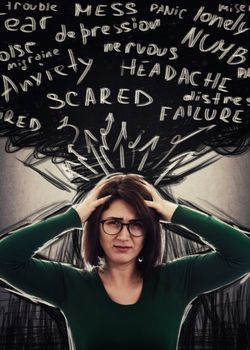 A ferocious dog. An oncoming car. In-laws. Any time you encounter a threat, your body responds. It goes into “fight or flight” mode, meaning that your systems prepare to either attack the threat or run from it.
Your bloodstream is flooded with adrenaline, a hormone which puts your body on alert. Your heart beats faster to send more blood to your muscles. You breathe more quickly, to get more oxygen. Your senses sharpen. Your blood sugar rises.
This entire reaction is designed to provide the energy you need to handle the threat with either fight or flight. It happens instantly, with all of your systems surging at once.
In Cindy’s case, all of this was happening, but there was no threat—at least not a physical one. She was feeling the full rush of “fight or flight” mode without knowing why. There was no animal attack, or earthquake, or even a threatening personal interaction.
This entire reaction is designed to provide the energy you need to handle the threat with either fight or flight. It happens instantly, with all of your systems surging at once.
But…Cindy has been under a lot of stress lately. She just started a new job, and her relationship with her husband is strained. Her anxiety has been building for the past few weeks.
This helps explain what happened. Cindy experienced an anxiety attack – a “sudden” burst of fear that had actually built up over time as she was feeling anxious about many things in her life.
This term is often used interchangeably with “panic attack,” but there are slight differences. The symptoms are nearly the same, but a panic attack happens suddenly—out of the blue, with no specific trigger. An anxiety attack usually builds over time due to underlying symptoms of anxiety.
Symptoms of Anxiety and Panic Attacks
With either type of attack, the body experiences similar symptoms:
- Chest pain
- Choking sensation
- Dizziness
- Fatigue
- Muscle tension
- Upset stomach
- Trembling
- Rapid heart rate
The chest pain and feelings of choking often cause additional surges of panic that can worsen the symptoms. In most cases, though, the rush of adrenaline peaks within 10 minutes, and symptoms usually subside within half an hour.
In most cases, though, the rush of adrenaline peaks within 10 minutes, and symptoms usually subside within half an hour.
 You may remember that Cindy also felt scared and confused—what was going on in her mind? Well, it’s common for an anxiety attack to cause psychological symptoms as well as physical. These can include:
- Overpowering panic: Out of nowhere, you feel like something bad is about to happen or you’re in danger.
- Loss of control: You feel like you’re losing control – of everything around your or possibly yourself.
- Detachment from reality: You feel like the situation is unreal and you are detached from what is happening.
- Need to escape: You want to run and escape from danger, but there is no actual threat to run from.
- Blank-out: You feel like your mind has gone blank, and you can’t think of what to do next.
- Difficulty concentrating: You can’t focus on anyone or anything.
It’s possible to experience any combination of these symptoms during an anxiety attack. An anxiety attack might occur spontaneously, or could be brought on by a trigger in response to building anxiety, which the body perceives as a threat.
What Should I do if I Have an Anxiety Attack?
If you feel like you’re having an anxiety attack, follow these ABCs:
- Acknowledge: Recognize that you’re having an anxiety attack and that it will Remember, You’re not really in danger or about to die.
- Breathe: Take slow, deep breaths. This will help slow down your systems and return your body to a normal state.
- Calm: Relax your muscles to release the tension. This will help calm your body.
If you are not sure if you’re having an anxiety attack or a heart attack, seek help. Requesting medical assistance is OK. Only a medical test can determine if you’ve had a heart attack and a trip to a medical facility is not wasted if you get the help you need for either a heart issue or to see you through the anxiety attack.
If you are not sure if you’re having an anxiety attack or a heart attack, seek help. Requesting medical assistance is OK.
For persistent anxiety attacks, a therapist can help diagnose the issue and make recommendations for treatment.
If you’re struggling with anxiety, you’re not alone. Call 888-647-0051 (Who Answers?) to be connected to treatment options in your area.

Are you an excessive worrier? I know I am.
I assume that things will end up badly. I think that if I worry enough about a certain situation I can control the outcome or prevent unpleasant surprises.
But I’ve learned that excessive worrying isn’t “productive” or “solution-oriented” at all. In fact, it’s the polar opposite.
Not only does all this worrying interfere with my—and your—quality of life, but it can also have serious adverse effects physical health.
Call 888-647-0051 (Who Answers?) to speak to a mental health treatment specialist.
“Normal” Worrying vs Excessive Worrying
Worry is defined as feeling uneasy and concerned about a situation or problem. And it’s a normal aspect of life. After all, it’s natural to worry about the well-being of your children, your finances, or an upcoming job interview.
But “normal” worry becomes excessive when it’s consistent and all-consuming.
With excessive worrying, your mind and body are always on edge because you’re constantly focused on what might happen, often on worst-case scenarios.
These thoughts can become so persistent and uncontrollable that they start to feel like they’re taking over your life.
When Excessive Worrying is More Than Worry
Chronic excessive worrying can also be a major symptom of Generalized Anxiety Disorder (GAD), which is a common anxiety disorder.
GAD is characterized by:
- Worrying that feels uncontrollable
- Restlessness or being on edge
- Concentration and cognition issues
- Fatigue
- Physical tension
- Irritability
- Sleep issues
The excessive worrying related to GAD involves feeling fearful or worried about numerous unrelated events or activities on a daily basis. These symptoms appear most days for at least 6 months if you have GAD.
Excessive worrying is also related to other anxiety disorders, as well as to obsessive-compulsive disorder (OCD).
Those who have clinical anxiety constantly anticipate catastrophes and are overly concerned about specific, narrow issues. For example, you may feel dread about the safety of your family even when nothing in reality gives you a specific reason to feel concerned.
Consequences of Chronic Worrying
Chronic excessive worrying can affect virtually every aspect of your daily life, including your relationships, sleep, appetite, and job performance.
Many people who worry excessively cope by using unhelpful or unhealthy behaviors, such as smoking or using alcohol or drugs.
Chronic worrying can also trigger a physical health problems. Excessive worrying and anxiety can trigger the body’s fight or flight response, which causes the body’s nervous system to release stress hormones, such as cortisol.
These hormones can then cause physical reactions, such as:
- Fatigue
- Insomnia
- Muscle tension
- Stomach problems
- Headaches
- Nausea
- Irritability
Worrying over a prolonged period can lead to even more severe problems, such as digestive disorders, heart issues, and the weakening of the body’s immune system.
Coping Strategies You Can Use at Home
If you find yourself plagued with constant worry and stress, there are steps you can take to ease your mind and live a less fearful life.
Schedule a Daily Worry Session
Instead of dwelling on worries all day, set aside 15 minutes each day where you allow yourself to focus on problems and fears. Mull them over for the allotted time and then once time is up, vow to let them go for the rest of the day.
If you find yourself going back into “worry mode,” jot down your worry and set it aside for your next scheduled worry session. Then get back to enjoying your day.
If you find that you can’t control your excessive worry in this way, you may need the help of a professional.
Focus on Your Breathing
Research has found that slow breathing techniques can help ease symptoms during times of stress, as they are designed to bring the body into a state of deep relaxation and balance, as well as regulate the body’s fight-or-flight response by decreasing heart rate and blood pressure.
Experts have studied the effects of multiple slow-breathing techniques, including:
- 4×4—Breathing in for four counts, and then breathing out for four counts, for a set number of time or number of cycles.
- Alternate nostrils—Breathing in and out slowly through one nostril while holding the other closed, then repeated with the other nostril.
- Abdominal breathing (belly breathing)—Breathing “through” your stomach by intentionally inflating your belly fully, then breathing out to fully empty your belly. Belly breathing works best while lying down.
Coping Strategies You Can Learn With Help of a Professional
Attending treatment or opening up to a therapist can be very beneficial, as he or she can help put your worries and fears into perspective and make them feel more manageable.
Challenge your Thought Pattern
Once negative thoughts pop up in your brain, they can quickly. One way to combat this situation is to challenge your worries and fears and ask yourself a few questions.
Is there a way to look at the situation in a more positive light? What’s the probability that what you’re worried about will actually happen? What facts exist that make what you’re worrying about seem true?
This technique is a fundamental part of cognitive-behavioral therapy (CBT), which is one of the frontline treatments for clinical anxiety.
Distinguish Between Solvable and Unsolvable Worries
For solvable worries, such as being able to pay your bills on time, come up with a game plan. Start brainstorming all of the possible solutions to this particular worrying thought.
Focusing on the things you have the power to change rather than those circumstances beyond your control will help you feel proactive.
If you can’t soothe your worry, work on embracing the uncertainty. The reality is, worrying doesn’t accomplish anything. Regardless of how much time you spend dwelling on what could go wrong, you’re no more prepared to deal with these problems, should they actually happen.
Acceptance and Commitment Therapy (ACT) is one type of therapy used to identify when you are worrying excessively about things you cannot control and help you learn to cope.
Developing Coping Strategies
A therapist can help you identify the types of thoughts and beliefs that trigger feelings of anxiety and worry.
Your therapist can also assist you in developing the appropriate coping strategies to alleviate the severity and emotional impact of worries and fears.
If your excessive worrying consumes your time and takes away from the things that matter most to you, consider speaking to a professional about your anxiety symptoms. Call 888-647-0051 (Who Answers?) to find health today.

Paul drinks a lot. He’s also sad a lot of the time. But until today, Paul hadn’t really put those two things together.
Now, sitting across from his doctor, he’s hit with a surprising diagnosis. Apparently, Paul is struggling with both depression and an alcohol use disorder. It’s what the doc calls a “co-occurring disorder.” And it requires a “dual-diagnosis” – acknowledgment and treatment of both issues.
Paul’s head is spinning with questions. He’s never heard of co-occurring disorders before, and he’s not sure exactly what that means for his future. Over the next hour, he learns the basics of this diagnosis and how to move forward with treatment.
What Are Co-Occurring Disorders?
Paul discovers that this term simply means two things are going on at the same time (co = more than one; occurring = happening). Paul is suffering from both an addiction and a mental health challenge.
And he’s not alone. As of 2018, SAMHSA reported that 9.2 million adults in the U.S. had a co-occurring disorder.
For Paul, his co-occurring disorder consists of major depressive disorder and alcohol use disorder. But this dual diagnosis can include “any combination of two or more substance use disorders and mental disorders.”
Some of the most common mental disorders that are co-occurring include anxiety, bipolar disorder, major depressive disorder, schizophrenia, post-traumatic stress disorder (PTSD), and attention deficit hyperactive disorder (ADHD).
The Chicken or the Egg?
As Paul considers his dual-diagnosis, he starts to wonder which one came first. Did he start drinking because he was feeling depressed, or did his drinking lead to depression?
Before he gets too caught up in this circular thinking, his doctor points out something very important: it can happen either way. And while it can be helpful to figure out which one occurred first, that shouldn’t be the main focus.
The most crucial thing isn’t to know which caused which, but to develop a plan that manages both disorders.
Treatment Options for Co-Occurring Disorders
At first, Paul feels like he’s just been hit with a double-punch. But he soon realizes the dual-diagnosis is a good thing. Now, he and his doctor can develop a treatment plan that really helps, since it will include support for both his mental and physical needs.
Like the millions of others who are struggling with co-occurring disorders, Paul needs a comprehensive treatment plan – a plan that helps him break his physical and psychological dependence on the substance and learn how to manage his mental health. This is referred to as integrated treatment. It integrates (coordinates) interventions for mental health and substance abuse, rather than try to treat each disorder separately.
Common co-occurring treatment options include:
- Detox drug treatment: Cleansing the body of substances and managing withdrawal symptoms during this process
- Medication management: Prescribing addiction medications to manage substance abuse
- Dialectical behavioral therapy: Teaches the patient to be aware of the situation and their emotional state and to develop skills to control emotions and behaviors
- Cognitive-behavioral therapy: Talk therapy that helps the patient learn how to challenge thought patterns and cope with challenges
- Inpatient drug/alcohol treatment: Patients stay in a treatment center to get support and overcome an addiction
- Counseling – individualized counseling sessions with a therapist to work through mental and emotional challenges
Moving Forward With a Co-Occurring Disorders
Paul’s situation is far from unique. Researchers have discovered that 50 percent of people who struggle with a substance abuse disorder also experience a co-occurring mental disorder. The reverse is also true. (If you have a mental disorder, there’s a 50% chance you’ll experience a substance use disorder at some point.)
Can you relate? If you have received a dual-diagnosis, it can feel overwhelming. But keep in mind the diagnosis is a step in the right direction. Now you can get treatment that targets both disorders and is tailored to your specific challenges.
If you or someone you love is experiencing a substance use disorder, help is available. Call 888-647-0051 (Who Answers?) today to speak with a treatment specialist.